Smart Home Wiring
Smart Home Automation in Coeur d'Alene, ID
Smart switches, thermostats and doorbells need the right wiring behind the wall before they work well. Platinum Electric wires smart home automation for North Idaho homeowners, built to code from the panel out.
Wiring for Smart Home Automation in Coeur d'Alene, ID
Most smart devices are sold as simple swaps, yet many homes are not wired for them. A smart switch often needs a neutral wire that older switch boxes lack. A smart thermostat may need a common wire the old one never used. Platinum Electric handles smart home automation in Coeur d'Alene, Idaho, as electrical work first: we confirm the wiring, the circuit and the box can support the device before anything goes on the wall.
That approach matters for safety and for how the system behaves later. A device on a crowded box or a shared circuit can flicker, drop off the network or run warm. We size the circuits, use boxes with room for the device and label everything at the panel.
Platinum Electric is a locally owned, family-owned contractor based in Coeur d'Alene. We bring more than 20 years of electrical experience and hold Idaho electrical contractor License #069870.
Signs Your Home Needs Smart Home Installation Help
Homeowners usually call after a do-it-yourself project stalls. Professional smart home installation makes sense when you notice any of these:
- A smart switch will not power on because the box has no neutral wire
- A new thermostat shows a low power warning or keeps restarting
- Smart dimmers buzz, flicker or turn lights on by themselves
- A video doorbell drains or stops charging on the existing transformer
- Devices drop off the network in a detached garage or shop
- Switch boxes are too shallow for the larger smart device bodies
Each of these points to a wiring condition, not a faulty gadget. Many requests for smart home automation in Coeur d'Alene, ID start this way, and fixing the wiring once usually ends the repeat troubleshooting.
How We Work
Our Smart Home Wiring Process
Good automation starts with a plan for which rooms, devices and circuits are involved. We walk the house with you, look at the panel and open a few boxes to see what is really there.
Walkthrough and Device Plan
We list the devices you want, check each location for a neutral wire and box depth, and note any circuit that needs work first.
Permit Where Required
When the work adds or changes circuits, we pull the electrical permit the job requires before starting.
Wiring and Device Installation
We run new conductors where needed, replace shallow boxes, mount each device and connect it to your app or hub.
Testing, Inspection and Handoff
We test every device and circuit, arrange the inspection when a permit applies, and show you how each control works.
Smart Thermostat Wiring Done Right
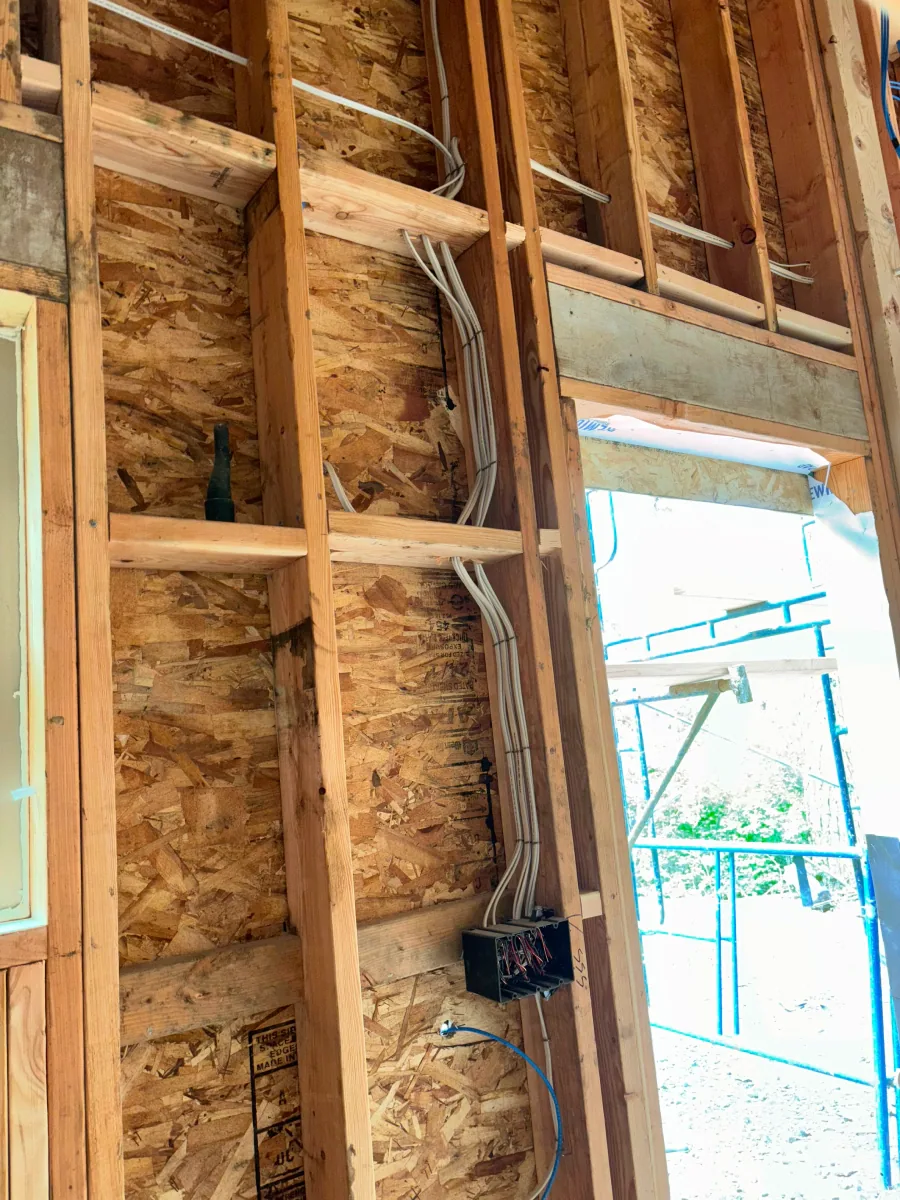
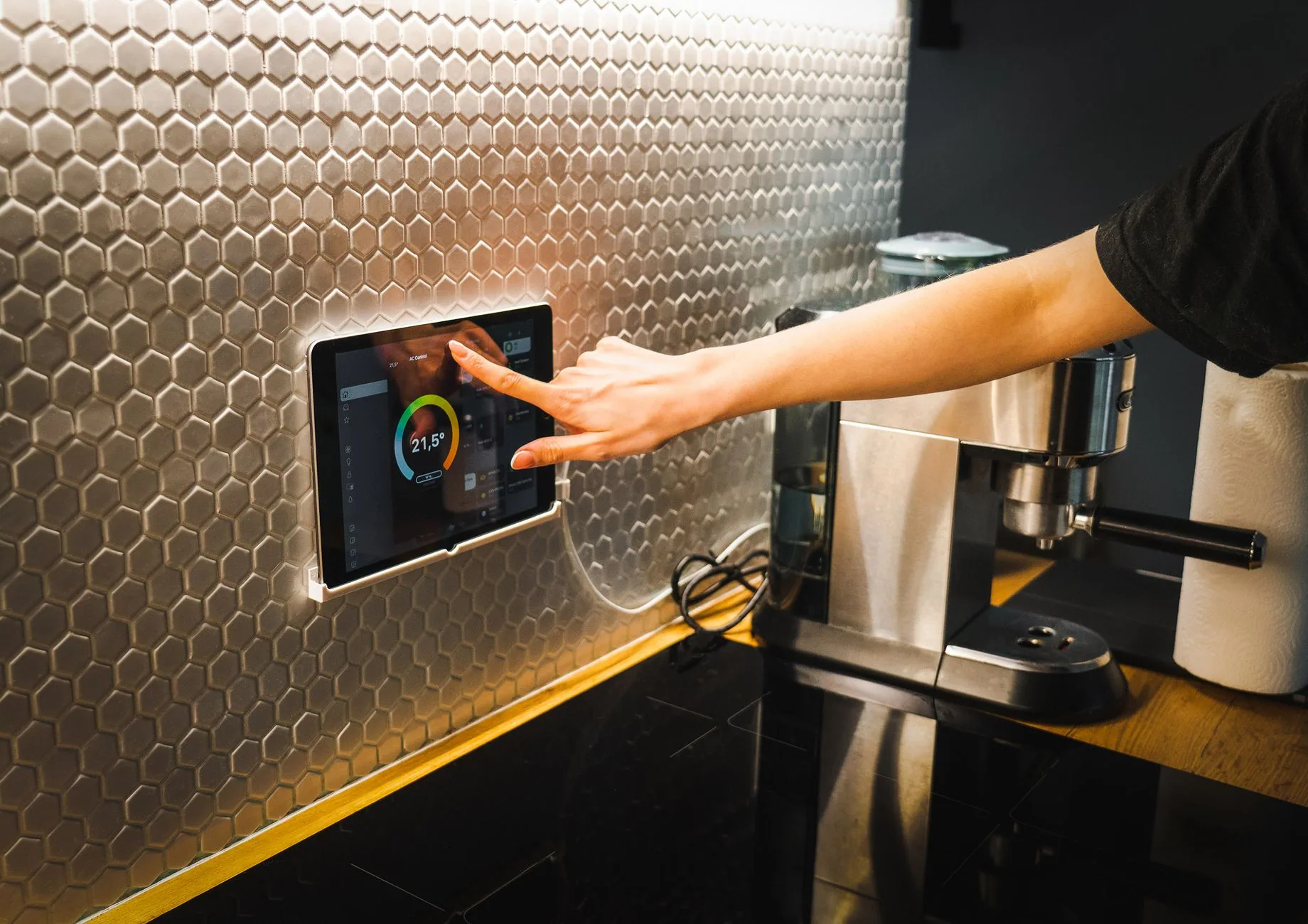
Smart thermostat wiring is one of the most common requests we get, and one of the easiest to get wrong. Many older thermostats ran on batteries or used only two or three wires. A smart thermostat usually needs a steady 24 volt supply through a common wire, often labeled C, to power its screen and Wi-Fi radio.
Where the cable in the wall has a spare conductor, we connect it at both the thermostat and the furnace or air handler control board. Where it does not, we run a new thermostat cable or install a power adapter the manufacturer approves. We also confirm the system type, such as a heat pump, a gas furnace or a boiler, so the thermostat is set up for the equipment it controls.
North Idaho winters put real demand on heating systems. A thermostat that loses power or reboots during a cold snap is more than an annoyance, so we treat this wiring with the same care as any other circuit.
Smart Home Integration Across Lights, Locks and Cameras
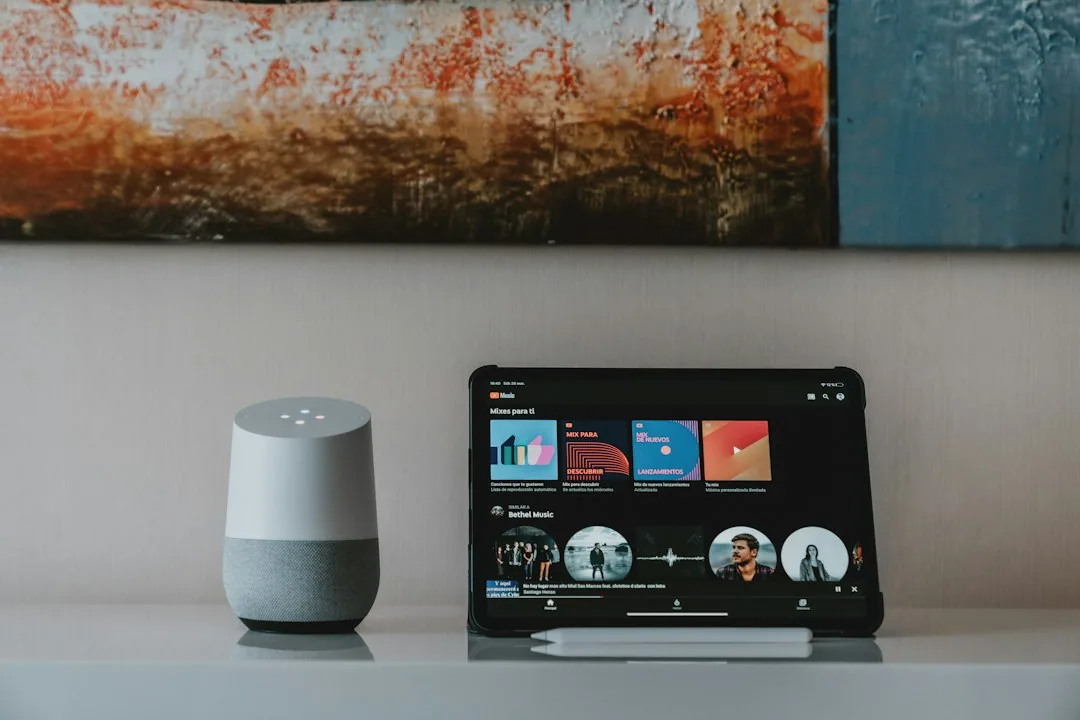
Smart home integration means getting separate devices to work as one system. A single app or hub can run your lighting scenes, door locks, cameras, garage door opener and thermostat together. The electrical side decides how reliable that system is.
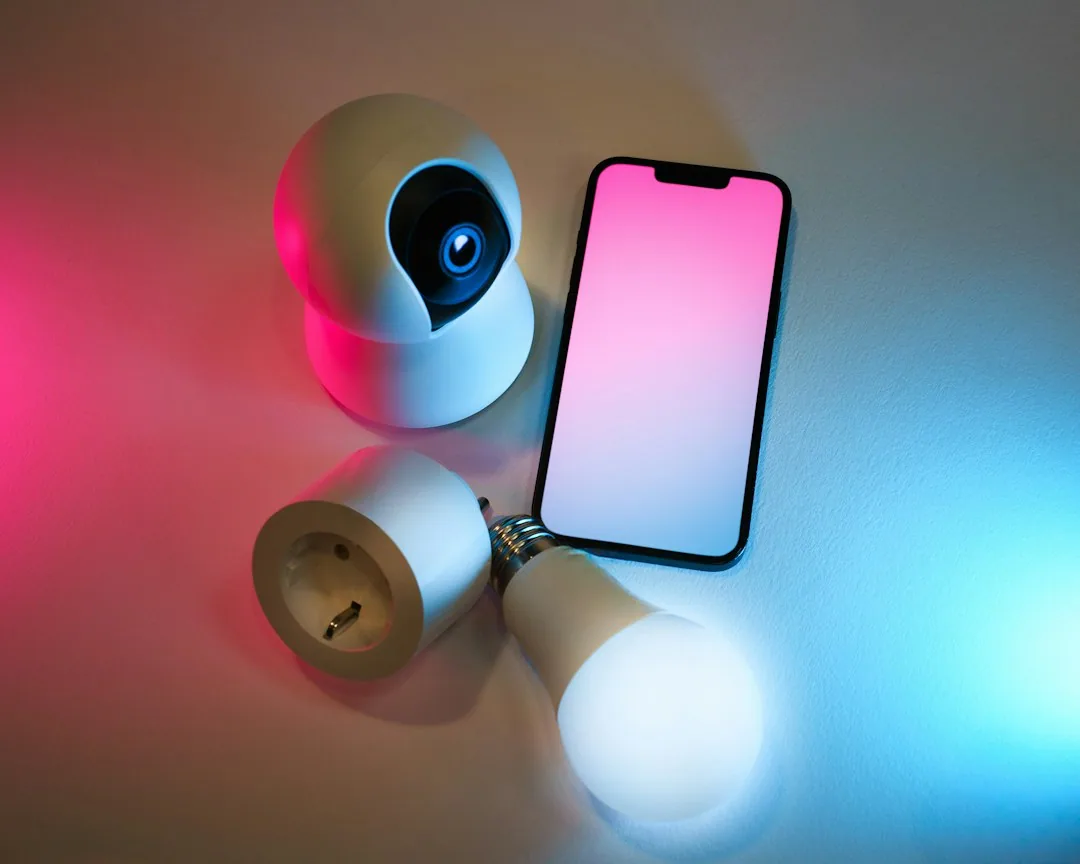
As your home automation installer, we look at where each device gets its power and how it talks to the hub. Hardwired cameras and doorbells need a dependable low voltage supply. A hub placed in a closet with a weak signal can leave far rooms out of reach, so we plan its location early.
Lighting is often the largest part of an integrated system. For whole-home dimming and keypads, we also install Lutron lighting control. Media rooms and wired networks pair well with home theater installation and data networking, which gives cameras and hubs a wired connection instead of relying on Wi-Fi alone.
What Affects the Cost of Smart Home Wiring
The cost of smart home automation in Coeur d'Alene, Idaho, depends on how much of it is device installation and how much is new wiring. We give you a written estimate after the walkthrough, once we know what the walls and the panel hold.
- The number of devices and rooms involved
- Whether switch boxes have a neutral wire and enough depth
- New thermostat cable or added low voltage runs
- New circuits or panel space for added loads
- Access through finished walls, attics and crawl spaces
- Permit and inspection requirements for the scope
Homes built in recent decades often need only device work. Older homes may need new boxes, conductors or circuits before the devices go in.
Why Choose Platinum Electric for Smart Home Wiring
Many installers who sell smart devices are not electricians. Platinum Electric is an Idaho-licensed electrical contractor, License #069870, so the wiring behind your devices is done by people who work on panels, circuits and code every day.
We bring more than 20 years of electrical experience to each project, and we explain what we find in plain terms before any work starts. If a box needs replacing or a circuit is overloaded, you hear about it with the reason. Our focus is code-compliant work done right the first time, which means fewer callbacks and devices that keep working after the installer leaves.
As a family-owned contractor providing smart home automation in Coeur d'Alene, ID, we answer for the work in the community where we live. Every project is also part of our full range of residential electrical services, so we can handle the panel or circuit work your system needs.

Across North Idaho
Smart Home Wiring From Hayden to Sandpoint

Platinum Electric wires smart homes throughout Kootenai County and nearby Bonner County. Newer subdivisions often have the neutral wires and deep boxes smart switches need, while many older homes need box and wiring updates first. Detached shops and garages often need a wired network link or a new circuit before devices out there stay connected.
We serve homeowners in Hayden, Post Falls and Sandpoint, along with Coeur d'Alene and the surrounding communities. Lake homes and seasonal cabins are a good fit for automation, since remote control of heat, lights and cameras helps when you are away for weeks at a time. Wherever you live in the region, we look at the house as it is and explain what your devices will need.
Smart Home Automation Questions
Why does my smart switch need a neutral wire?
Most smart switches stay powered all the time so they can listen for commands from an app or hub. That constant power needs a neutral conductor in the switch box. Many older homes ran only a hot wire and a switch leg to the box, so the switch has no way to power itself. An electrician can add a neutral or recommend a device built for boxes without one.
Can you wire a smart thermostat if I have no C wire?
Yes. When the existing cable has an unused conductor, we connect it at the thermostat and at the furnace or air handler board. When it does not, we run new thermostat cable or install an adapter the thermostat maker approves. We also confirm the heating system type so the thermostat settings match your equipment and the system runs properly through winter.
Do smart home devices need a permit in Idaho?
Swapping a device on an existing circuit is often treated differently from adding circuits or running new wiring. Idaho requires a permit when electrical work is performed, and some cities and counties handle permits themselves. When the scope calls for one, Platinum Electric pulls the permit and arranges the inspection, so the work is documented if you sell the home later.
Will my smart devices still work during a power outage?
Most smart devices lose power along with the rest of the house, and many need the internet connection to reach an app. Locks and some thermostats keep basic functions on batteries. If staying connected during an outage matters, ask about putting your router, hub and key devices on a circuit a backup generator can carry. We plan that wiring during the walkthrough.
Can you add smart devices to an older home without major wall damage?
Usually, yes. We often reach switch boxes from the attic or basement and fish new cable through existing walls. Where a box is too shallow, we replace it through the same opening. Some older homes need more access than others, and we tell you where openings are likely before we start so there are no surprises with patching or paint.
Can smart home automation in Coeur d'Alene, ID reach a detached shop or garage?
Yes, with the right wiring behind it. Devices in a detached shop or garage often drop off the network, and many of those buildings need a wired network link or a new circuit before devices out there stay connected. We also plan the hub's location early, since a hub with a weak signal can leave far rooms out of reach.
Get Started
Plan Your Smart Home With a Licensed Electrician
The best time to sort out neutral wires, thermostat cable and circuit space is before the devices arrive. Call Platinum Electric Monday to Thursday, 9:00 AM to 6:00 PM, or Friday, 9:00 AM to 1:00 PM, and we will walk through your plans and your wiring together.