
New Wiring and Rewiring
Electrical Wiring in Coeur d'Alene, ID for New Spaces and Older Homes
New wiring for additions and outbuildings, and full rewiring for older homes with knob and tube, aluminum or worn cable. Platinum Electric LLC plans it, permits it and wires it to code.
Electrical Wiring in Coeur d'Alene, ID, From One Room to the Whole House
You never see the wiring in your walls. Still, it sets the limit on everything else. Platinum Electric LLC handles electrical wiring in Coeur d'Alene, ID for homeowners who are adding space, converting a garage or attic, or replacing wiring that has reached the end of its safe life.
This is planned work, not a fix for one fault. When something has stopped working and you need the cause found, our electrical repair service starts with diagnostics. When the cause turns out to be the wiring itself, or you already know the house needs updating, rewiring is the lasting answer. Call (208) 277-6157 to talk through the age of your home and what you want it to do.

Signs an Older Home Needs New Wiring
Most wiring problems show up slowly, as small annoyances that get easier to ignore over time. Taken together, they point to a system that was built for a very different household.
- Cloth covered wire or porcelain knobs visible in the attic or basement
- Two prong outlets throughout most of the house
- Frequent tripped breakers or blown fuses on everyday circuits
- Lights that dim when the furnace, microwave or vacuum starts
- Brittle or cracked insulation where wires enter boxes
- Aluminum branch wiring noted on a home inspection report
None of these means a fire is imminent, and some homes need targeted updates rather than a full rewire. A careful evaluation tells you which parts of the system are sound and which are not.
How We Work
Our Rewiring Process, From Evaluation to Inspection
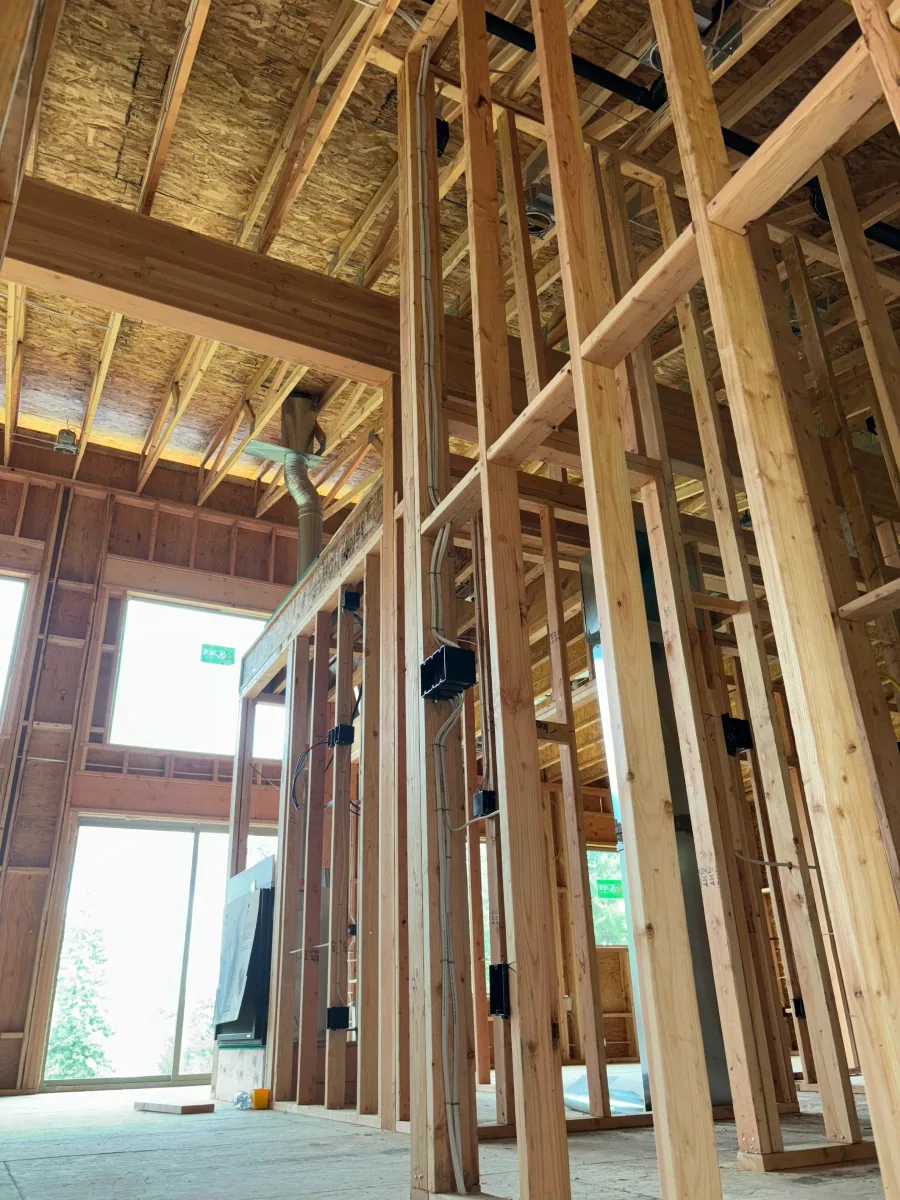
Rewiring an occupied home is mostly about planning. We map every circuit before any wall is opened so the work moves room by room and the house stays livable.
Evaluation and Circuit Map
We open sample boxes, look in the attic and crawlspace, and trace which outlets and lights share each circuit. That map becomes the plan for the new layout.
Plan, Estimate and Permit
You get a written scope that lists the circuits, devices and any panel work. Rewiring is permitted through the Idaho Division of Occupational and Professional Licenses or the local jurisdiction that handles electrical inspections.
Rough In and Device Installation
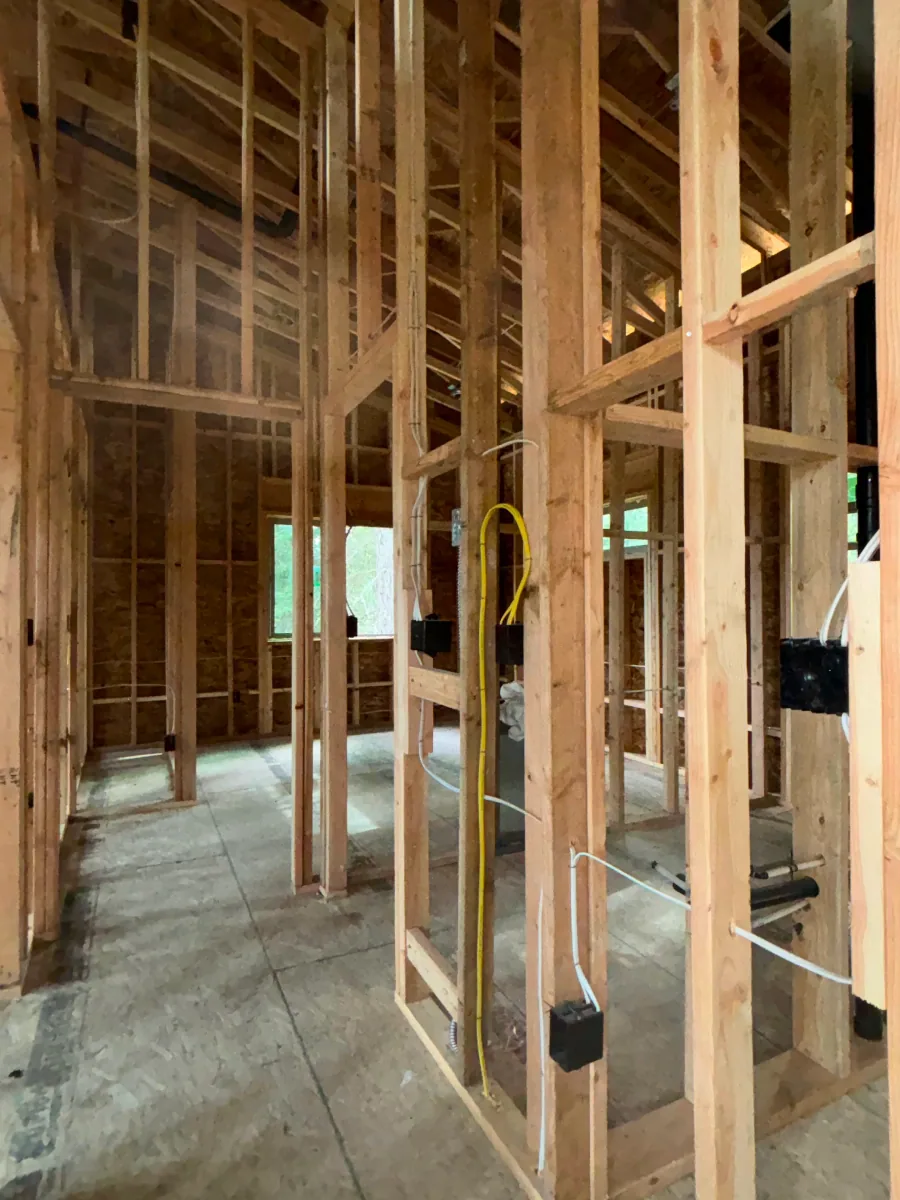
New cable is fished through walls and ceilings with as few openings as possible, then boxes, grounded outlets, switches and fixtures are installed circuit by circuit.
Inspection and Final Walkthrough
The work is inspected, the panel directory is updated, and we walk you through the new layout so you know which breaker controls each part of the house.
Knob and Tube Wiring in North Idaho Homes
Knob and tube wiring was the standard in American homes from the late 1800s into the 1940s. Single conductors run on porcelain knobs and pass through porcelain tubes in the framing, with no ground wire. Homes in the oldest parts of Coeur d'Alene, such as the Fort Grounds neighborhood, a historic district listed on the National Register of Historic Places, date from that period.
The design was sound for its time; the trouble is age and change. Insulation turns brittle after decades. Later owners often splice new wire into old circuits. Attic insulation blown over the wires also traps heat the system was built to shed into open air.
These old circuits also cannot support grounded outlets or GFCI and AFCI protection without changes. Replacing it is usually the right long term choice, and it often comes up when a home changes hands.
Aluminum Wiring Replacement and Old Wiring Replacement
Many homes built from the mid 1960s to the mid 1970s used aluminum branch wiring for outlets and lights. Aluminum expands and shrinks more than copper. It also oxidizes at connections, which can loosen terminals and cause heat at outlets, switches and splices.
There are two accepted approaches. Aluminum wiring replacement swaps the branch circuits for copper and removes the concern entirely. Where a full replacement is not practical, the connections can be repaired using connectors listed for joining aluminum to copper at each device and splice. We explain both options, and the tradeoffs, before you decide.
Old wiring replacement also covers ungrounded cable from the 1950s and 1960s. It covers damaged or undersized wire found in a remodel, too, and circuits added over the years by someone who was not an electrician. We replace what is unsafe and keep what is sound.
House Rewiring and New Wiring for Additions
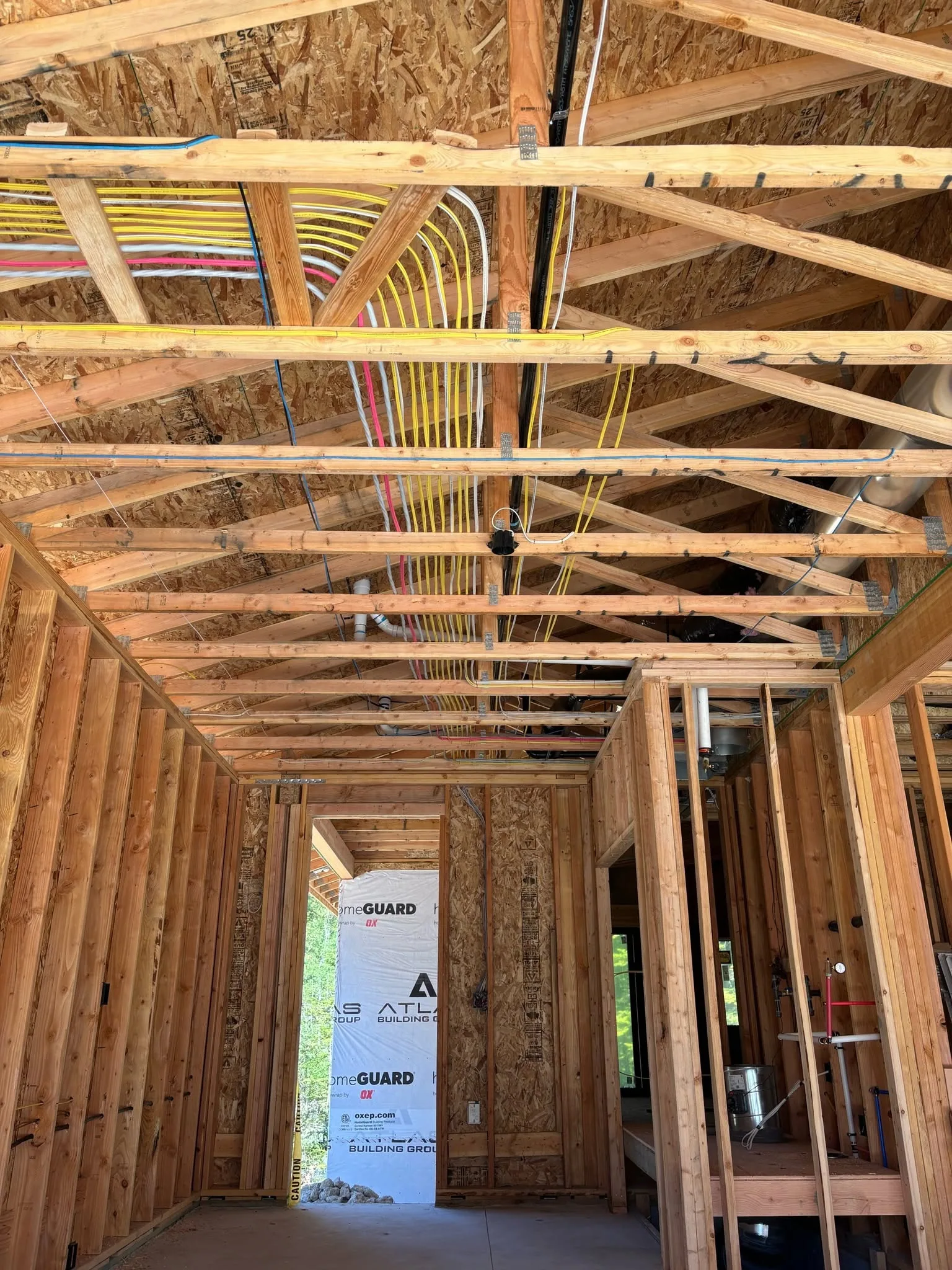
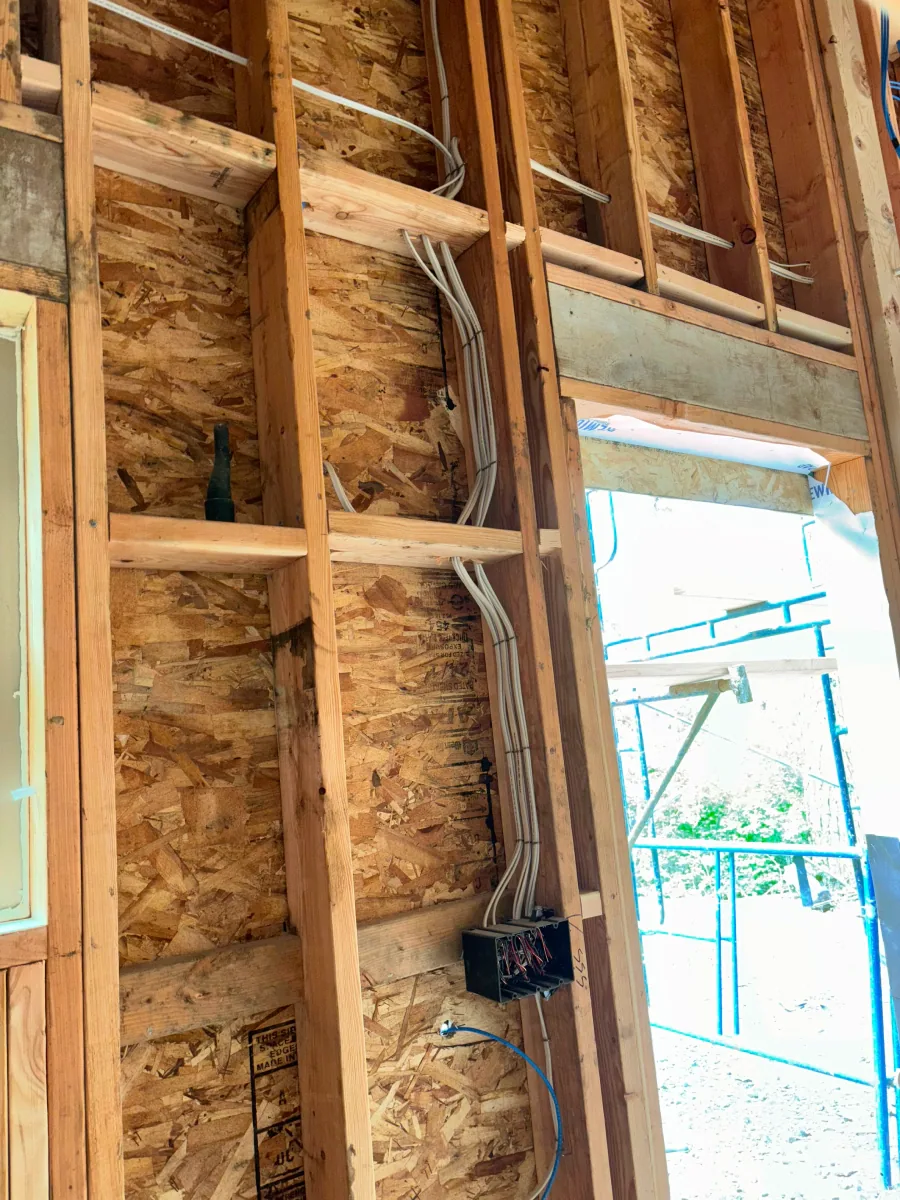
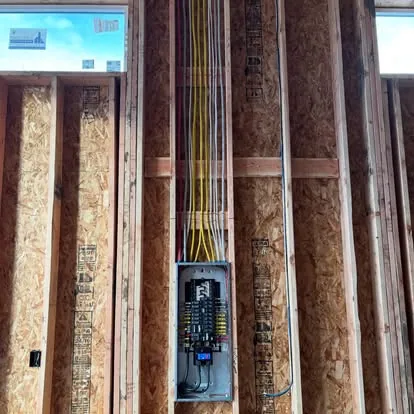
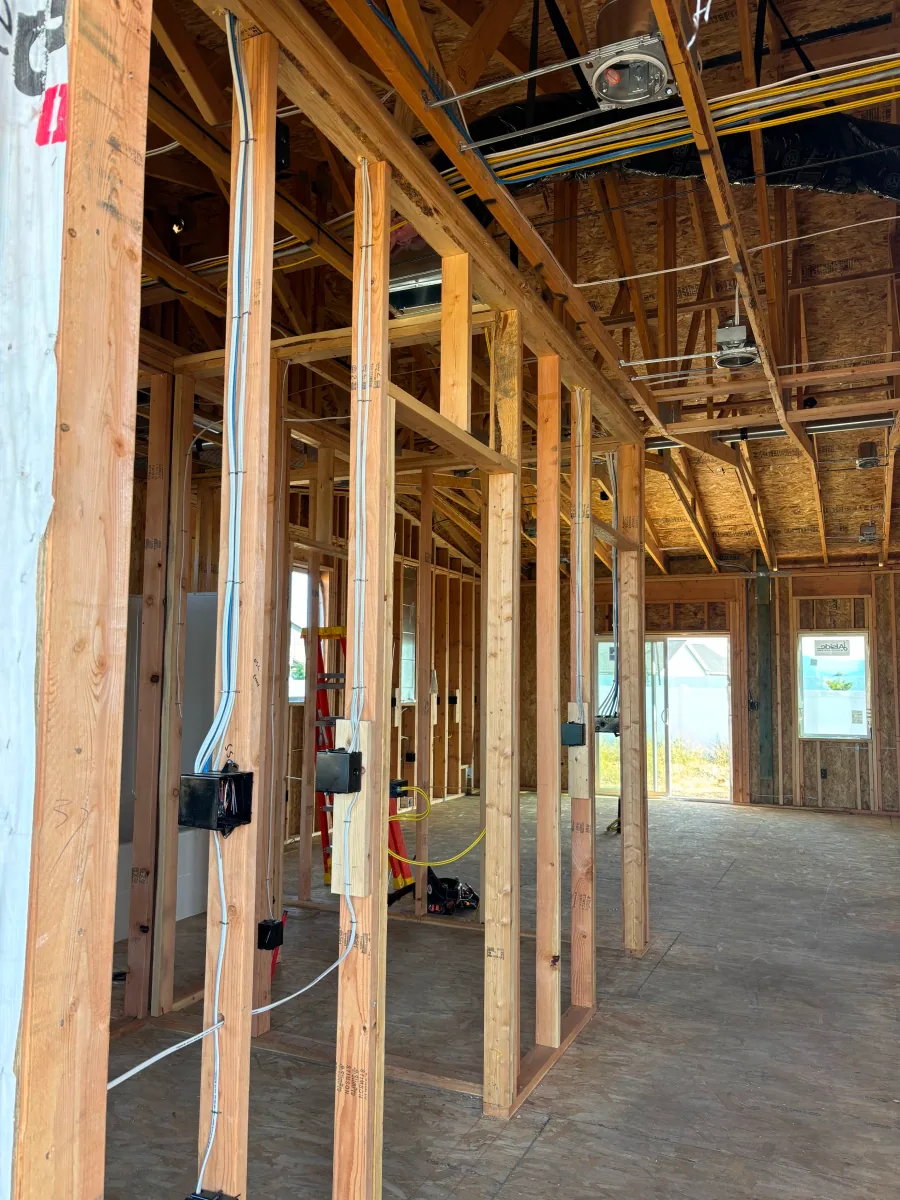
A full house rewiring replaces every branch circuit, from the panel to the last outlet. It is often paired with a panel upgrade so the new circuits have a modern home. Most of the work happens from the attic, basement and crawlspace, with small wall openings where cable has to drop. Planning around those openings keeps patching to a minimum.
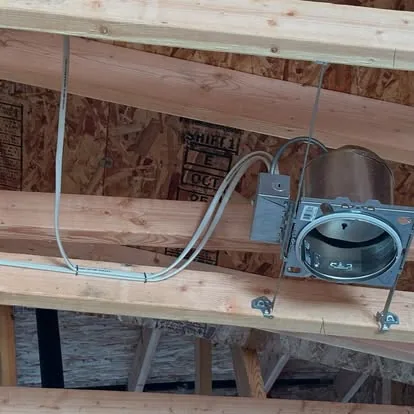
New wiring for additions, finished basements, converted garages and detached buildings follows the same discipline. We size each circuit for what the space will hold, add AFCI and GFCI protection where the code calls for it, and leave capacity for what you might add later. For larger renovations, our remodeling electrician service coordinates the wiring with your contractor's schedule. Whether it is one new room or the whole house, the goal is wiring you do not have to think about for decades.
What Affects the Cost of Rewiring
The size of the home and the number of circuits set the baseline. A small single story house with an open attic and a crawlspace is far easier to rewire than a two story home with finished ceilings between floors, because access decides how much labor goes into each run.
Plaster walls, which are common in older homes, take more care to open and patch than drywall. The condition of the existing panel matters too, and if it cannot support new AFCI and GFCI breakers, a panel upgrade becomes part of the scope.
Doing the work in phases, starting with the circuits that carry the most risk, can spread the cost over time. Permit fees are part of the total. We give you a written estimate after an evaluation for electrical wiring in Coeur d'Alene, ID and the surrounding towns, never a guess over the phone.
Local and Licensed
Why Platinum Electric LLC for Wiring Projects
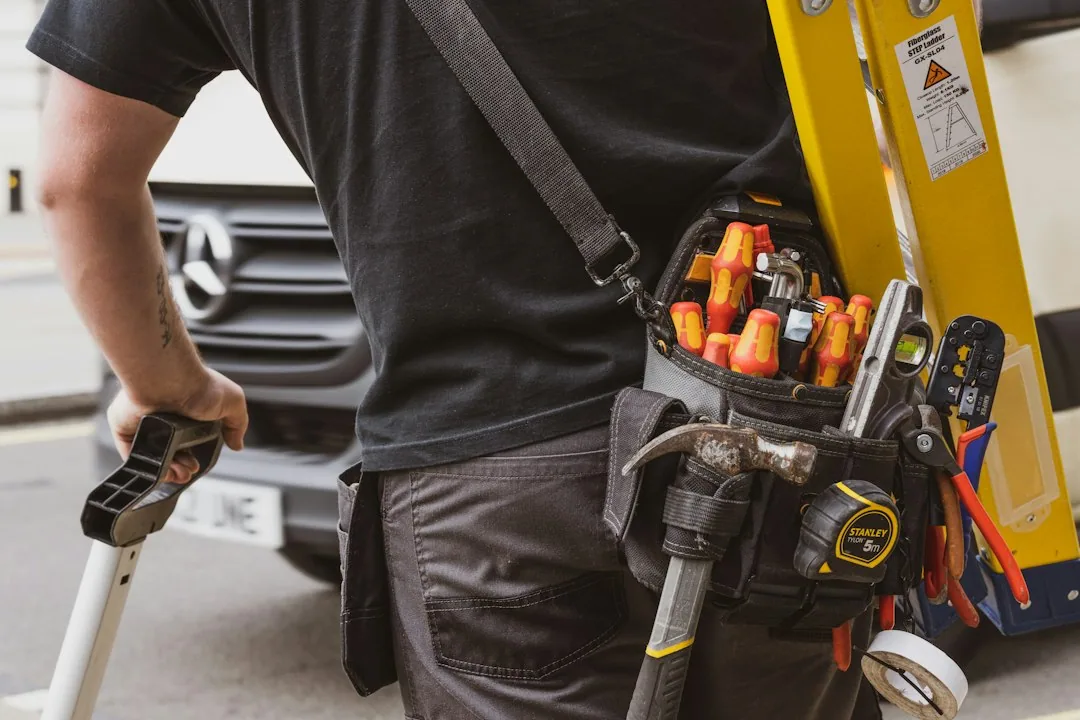
On a rewire, experience shows in details nobody sees later. Platinum Electric LLC is a locally owned, family-owned electrical contractor based in Coeur d'Alene, licensed in Idaho under electrical contractor License #069870, with more than 20 years of electrical experience.
We work in occupied homes with respect for your schedule and your space, keep you informed as each room is finished, and leave a panel directory you can actually read. Every circuit is built to code and inspected, and the job is done right the first time. When the last room is finished, we test every circuit again and hand you a written summary of what changed. Explore our full range of electrical services or call to schedule an evaluation.
Rewiring Older Homes Across North Idaho
Older housing is spread across the region, from early lakeside cottages to farmhouses and postwar homes in the small towns along the highways. Each era has its own wiring, and each calls for a different plan.
We provide electrical wiring in Coeur d'Alene, ID and nearby communities, including work as an electrician in Hayden, ID, an electrician in Harrison, ID, an electrician in Bayview, ID and an electrician in Sandpoint, ID. Seasonal cabins in these areas often have wiring added piece by piece over many years, which makes a careful evaluation especially worthwhile before a cabin becomes a year round home. Every project follows the same standard for electrical wiring in Coeur d'Alene, ID: a clear plan, a permit and an inspection.
Electrical Wiring Questions
How do I know if my house has knob and tube wiring?
Look in an unfinished attic or basement for single wires running along porcelain knobs or through porcelain tubes in the joists. Cloth covered wire and two prong outlets throughout the house are other clues, especially in homes built before the 1950s. A home inspection report may also mention it. We can confirm during an evaluation and tell you how much of it is still energized.
Can I live in my home while it is being rewired?
Usually, yes. We plan the work circuit by circuit so most of the house keeps power each day, and we restore the circuits we worked on before leaving whenever we can. Expect some dust, furniture moved away from walls and short periods without power in certain rooms. For homes with medical equipment, we plan the schedule around it in advance.
Is aluminum wiring dangerous?
Aluminum branch wiring is not dangerous by itself, but its connections are a known weak point. Loose or oxidized terminals can overheat at outlets, switches and splices. The risk rises with older devices that were not rated for aluminum. Full replacement with copper or repairing each connection with listed connectors are the accepted fixes, and an evaluation shows which makes sense for your home.
Will rewiring damage my plaster walls?
Some openings are needed, but careful planning keeps them small and few. Much of the cable can be run through the attic, the basement and existing wall cavities. Where openings are needed, we place them where they are easiest to patch, such as inside closets or behind where trim can be reinstalled. We discuss the openings with you before work begins.
Do I need a permit to rewire my house in Idaho?
Yes. Rewiring is electrical work that requires a permit and inspection in Idaho, issued by the Division of Occupational and Professional Licenses or by a city or county that has taken over electrical inspections in its area. As a licensed contractor, we obtain the permit for the work we perform and schedule the inspections, so the work is documented when you sell.
Can electrical wiring in Coeur d'Alene, ID homes be updated in phases?
Yes. Doing the work in phases, starting with the circuits that carry the most risk, can spread the cost over time. Some homes need targeted updates rather than a full rewire, and an evaluation shows which parts of the system are sound and which are not. We replace what is unsafe, keep what is sound and put the plan in a written estimate.
Plan Your Rewire
Make Old Wiring a Problem You Never Think About Again
Wiring that was installed decades ago was never meant to carry today's kitchens, electronics and heating loads. An evaluation shows what is sound, what is not, and the order to tackle it in, so you can plan the work with confidence.