
Reliable Power Solutions for Lakeside Living
Understanding Twin Beaches’ Unique Electrical Needs
Twin Beaches offers residents a distinctive lakeside lifestyle along the shores of Lake Coeur d’Alene, where seasonal lake activities and year-round residential comfort depend heavily on reliable electrical infrastructure. The community’s proximity to the water creates specific electrical considerations that differ from inland neighborhoods.
Homes in this area often feature boat lifts, dock lighting systems, outdoor entertainment spaces, and climate control systems that work harder during North Idaho’s temperature swings. During summer months, when lake recreation peaks, electrical demand increases substantially as families power everything from hot tubs to EV chargers for vehicles used to tow watercraft. Winter brings its own challenges, with heating systems, heated driveways, and emergency backup power becoming essential for maintaining comfort and safety.
The moisture-rich environment near the lake also accelerates wear on electrical components, making regular maintenance and upgrades more critical than in drier locations. Corrosion can affect outdoor outlets, weatherproof fixtures, and even main service panels if not properly protected. Additionally, many properties in Twin Beaches are upgrading older electrical systems to accommodate modern energy demands, including whole-home generators, advanced lighting controls, and Level 2 EV charging stations.
Understanding these unique factors helps homeowners make informed decisions about their electrical systems. Whether you’re planning a remodel, adding new amenities, or simply maintaining your current setup, working with licensed professionals who understand lakeside electrical requirements ensures safe, code-compliant installations that stand up to the local environment.
Panel Upgrades for Modern Lake Living
Many homes in Twin Beaches were built when electrical demands were far less than what today’s families require. Original 100-amp or 150-amp service panels that once handled basic lighting, refrigeration, and a few outlets now struggle to support modern loads like central air conditioning, electric vehicle chargers, hot tubs, and smart home systems.
Upgrading to a 200-amp or 400-amp panel provides the capacity needed for current appliances while allowing room for future additions. This becomes particularly important in lakeside properties where outdoor circuits for boat lifts, landscape lighting, and patio heaters add to the overall electrical load. Without adequate panel capacity, homeowners risk frequent breaker trips, voltage drops, and potential safety hazards.
A professional panel upgrade involves more than simply swapping out the breaker box. The process includes evaluating the entire electrical system, verifying proper grounding and bonding, ensuring weatherproof components meet lake environment standards, and confirming all work meets current National Electrical Code requirements. Upgrades also provide an opportunity to install whole-house surge protection, which safeguards expensive electronics and appliances from voltage spikes common during summer thunderstorms.
For Twin Beaches homeowners considering major renovations or adding significant electrical loads, a panel assessment should be the first step. Proper planning prevents costly mid-project surprises and ensures your electrical system can safely support your lifestyle both now and in the years ahead.
Generator Installation for Lake Property Protection
Power outages in North Idaho can occur during severe winter storms, high winds, or summer lightning strikes. For Twin Beaches residents, losing power means more than just inconvenience. Sump pumps that protect basements from water intrusion stop working, security systems go offline, and temperature-sensitive systems fail, potentially causing frozen pipes or spoiled food.
Whole-home generators provide automatic backup power within seconds of an outage, keeping essential systems running without interruption. Modern standby generators connect directly to your home’s natural gas or propane supply, eliminating the need to refuel during extended outages. They monitor utility power continuously and start automatically when needed, then shut down once grid power returns.
Installation requires careful planning and professional execution. The generator must be positioned to meet manufacturer clearance requirements while considering factors like noise levels, exhaust ventilation, and protection from the elements. Electrical connections involve installing a transfer switch that safely isolates your home from utility power during generator operation, preventing dangerous backfeeding that could harm utility workers or damage your electrical system.
Sizing the generator correctly ensures it can handle your home’s essential loads without overloading. A professional assessment considers factors like square footage, heating and cooling systems, well pumps, and critical circuits. For lakeside properties, this often includes dock systems, security lighting, and water management equipment that must remain operational during outages.
With over 20 years of experience serving the Coeur d’Alene area, Platinum Electric LLC provides professional generator installations that keep Twin Beaches homes protected and comfortable regardless of weather conditions. Our licensed team handles everything from system design and permit acquisition to final testing and homeowner training, delivering reliable backup power solutions with honest pricing and quality craftsmanship.
EV Charging Solutions for Waterfront Homes
As electric vehicle adoption continues growing, Twin Beaches homeowners increasingly need dedicated charging solutions that match their lifestyle. While standard 120-volt outlets can charge EVs, they deliver power slowly, often requiring overnight charging just to recover range used during daily commuting. For families that use their vehicles to tow boats or travel to Spokane, this limited charging speed quickly becomes impractical.
Level 2 charging stations operate on 240-volt circuits, similar to electric dryers or ranges, and deliver charging speeds up to eight times faster than standard outlets. This means a full charge overnight, even after extended use, ensuring your vehicle is always ready when needed. Installation requires running appropriate wiring, installing a dedicated circuit breaker, and mounting a weatherproof charging unit in a convenient location.
Proper placement matters significantly. Chargers should be positioned where vehicles naturally park while allowing enough cord length to reach the charging port without stretching. For homes with multiple vehicles, planning for future expansion prevents costly retrofits later. Outdoor installations require weatherproof enclosures and proper grounding to protect against moisture exposure common in lakeside environments.
The electrical system must have sufficient capacity to support EV charging alongside other household loads. Many Twin Beaches homes benefit from pairing an EV charger installation with a panel upgrade, ensuring the system can handle the additional demand safely. Smart charging stations can also integrate with home automation systems, allowing scheduling during off-peak hours or monitoring energy usage through smartphone apps.
Professional installation ensures all work meets electrical code requirements and manufacturer specifications, protecting your investment and maintaining safety. Proper permitting and inspection provide documentation for insurance purposes and future property sales, adding value to your lakeside home.
Hot Tub and Spa Electrical Requirements
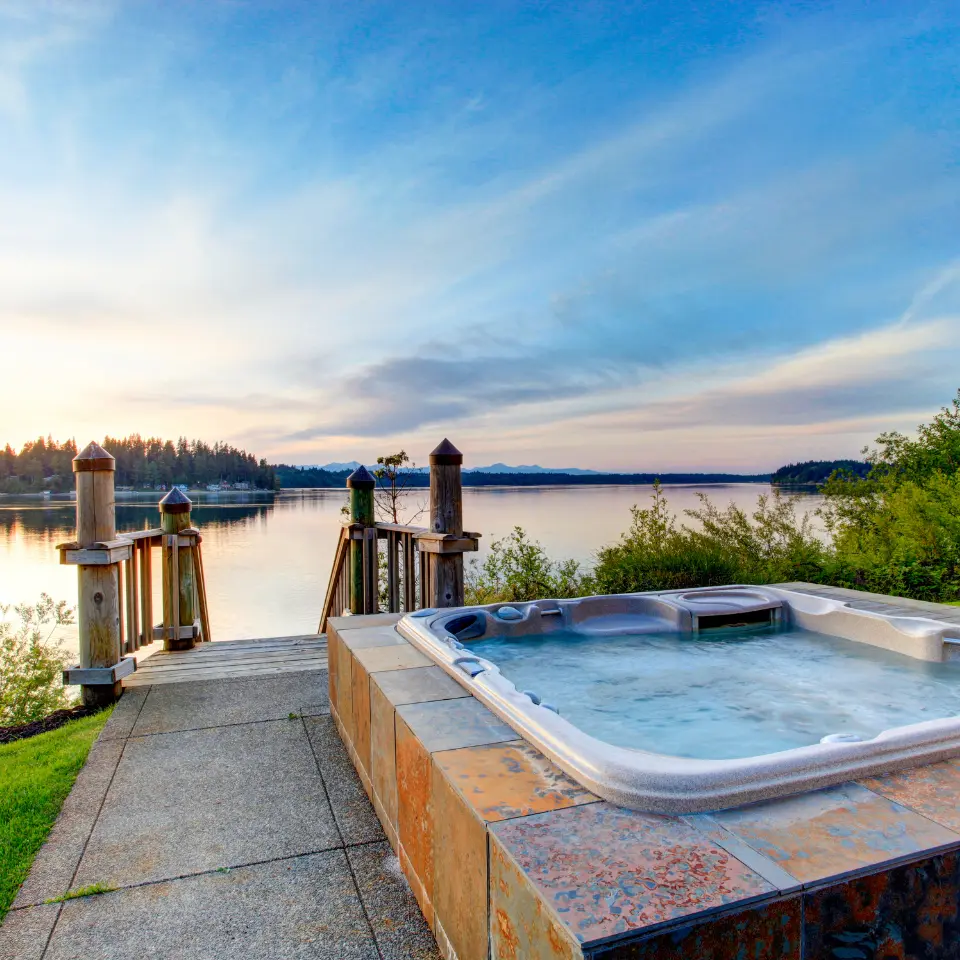
Hot tubs and spas add tremendous value to lakeside living, providing year-round relaxation with stunning lake views. However, these amenities require substantial electrical infrastructure that must be installed correctly to ensure safety and performance. Most residential hot tubs operate on dedicated 240-volt circuits with 40 to 60 amps of capacity, depending on heater size and jet pump specifications.
Installation begins with verifying your electrical panel has adequate capacity for the additional load. If your home operates on an older 100-amp or 150-amp service, adding a hot tub may exceed safe capacity limits, necessitating a panel upgrade first. Once capacity is confirmed, a dedicated circuit must be run from the panel to the hot tub location using appropriate wire gauge and conduit protection.
The National Electrical Code mandates specific requirements for hot tub installations, including ground fault circuit interrupter (GFCI) protection, proper bonding of all metal components, and disconnect switches within sight of the unit. These safety measures protect against electrical shock hazards, particularly important in wet environments where users are in direct contact with water.
Outdoor installations in Twin Beaches face additional considerations due to moisture exposure and temperature fluctuations. Wiring must be protected in weatherproof conduit, connections must use corrosion-resistant materials, and the circuit must be designed to handle the increased load during cold months when heaters work harder to maintain water temperature. Proper installation also considers future maintenance access, ensuring technicians can service the unit without difficulty.
Many homeowners attempt DIY hot tub installations to save costs, but this approach risks serious safety hazards and code violations that can void equipment warranties and create liability issues. Professional installation by licensed electricians ensures all work meets code requirements, passes inspection, and provides safe, reliable operation for years to come. The investment in proper installation protects your family, your property, and your equipment investment while delivering the relaxation and enjoyment you expect from your lakeside hot tub.